2/2 Crypto, Blockchain, and Tokens —Part 2
Why Banks and Governments Care**
If blockchain and crypto were just a trend, banks and governments wouldn’t spend time, money, or energy studying it.
They do because this technology solves real problems inside systems they already run.
As a nurse, I’ve learned something important: systems don’t change because people like them. They change because the old way becomes too slow, too expensive, or too risky to maintain.
Finance is at that point.
The Problem With the Current Financial System
Most people assume money moves instantly.
It doesn’t.
When you send money:
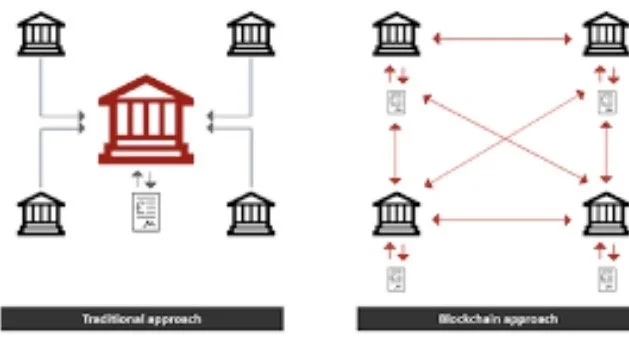
It passes through multiple institutions
Each one keeps its own record
Settlement can take days
Errors are reconciled manually
This is like a patient being transferred between hospitals—faxed records, duplicated charts, delayed information, and room for mistakes.
The system works, but it’s inefficient.
Why Blockchain Changes the Back End (Not the Front)
Here’s the key misunderstanding:
Blockchain isn’t replacing banks—it’s upgrading the plumbing behind them.
Patients don’t see the EMR upgrade but hospitals care deeply when:
Records update instantly
Errors drop
Costs fall
Compliance improves
Blockchain does the same thing for money.
Instead of each institution keeping separate ledgers, everyone references one shared, verified record.
Less reconciliation.
Less delay.
Less risk.
Why Governments Are Involved (Even If They Sound Skeptical)
Governments don’t adopt new systems quickly. They regulate them slowly.
That’s not rejection—that’s caution.
Blockchain introduces:
Transparent records
Traceable transactions
Automated compliance
Reduced fraud
Those are not threats to governments they’re advantages.
The hesitation isn’t “Does this work?”
It’s “How do we integrate this without breaking everything else?”
That takes time.
Why Regulation Comes After Innovation
Historically, regulation follows this pattern:
New tech appears
Early adopters test it
Risks are identified
Rules are written
Standards are enforced
Healthcare does this constantly. Finance is no different.
The internet existed before privacy laws.
Electronic records existed before compliance frameworks.
Blockchain is simply earlier in that same cycle.
Why Institutions Can’t Ignore This
Large institutions care about:
Speed
Cost
Risk
Scalability
Blockchain addresses all four.
Even if institutions don’t like change, they can’t ignore math.
When a system is:
Faster than existing rails
Cheaper at scale
More transparent
More resilient
…it becomes a competitive advantage.
Eventually, not using it becomes the risk.
Crypto Is a Tool, Not a Protest
This technology isn’t about overthrowing systems.
It’s about modernizing them.
That’s why banks study it.
That’s why governments regulate it.
That’s why developers keep building it.
And that’s why the conversation matterseven if you never buy a token.
Final Thought
Blockchain didn’t appear because people wanted something new.
It appeared because the old system could no longer keep up with a digital world.
Just like in healthcare, upgrades are messy, slow, and uncomfortable but they happen because they’re necessary.
Crypto isn’t about rebellion.
It’s about infrastructure.
And once you understand that, the entire conversation changes.